

THE SCIENCE OF ACTIVATION
Most supplement brands rely heavily on ingredient studies. Protandim is different.
The finished Protandim NRF2 Synergizer formula itself has appeared repeatedly in independent peer-reviewed research, not just the individual ingredients. This page is here to help you understand what that means, how to read the science, and why LifeVantage has built so much of its story around activation.
What makes research worth paying attention to?
Not all research carries the same weight. Some supplement brands point to studies on single vitamins, herbs or nutrients. That can be helpful, but it does not always tell you how the finished product performs as a complete formula. That is why product-specific research matters. When the actual finished product is studied, it gives people a clearer picture of how the full formula behaves, not just how one ingredient might work in isolation.
Peer-reviewed
A peer-reviewed study has been reviewed by other qualified experts before publication. It does not mean the study is perfect, but it does mean the methods, results and conclusions have been examined before becoming part of the scientific record.
Why it matters:
Peer review adds an extra layer of credibility. It shows the research has been examined by people with relevant scientific expertise before being published, rather than existing only as a brand claim or marketing statement.
PubMed-indexed
PubMed is one of the world’s major biomedical literature databases, maintained by the U.S. National Library of Medicine. It contains more than 40 million citations from MEDLINE, life science journals and online books.
Why it matters:
When research is indexed on PubMed, it becomes easier for health professionals, researchers and everyday consumers to access the study, review the details and see how it fits into the wider scientific conversation.
Independently studied
Most supplement brands rely heavily on ingredient studies. Protandim is different because the finished formula itself has appeared repeatedly in peer-reviewed research.
That means the research conversation is not only about turmeric, green tea, milk thistle, bacopa or ashwagandha on their own. It is about how the complete Protandim NRF2 Synergizer formula has been studied as a finished product.
Why it matters:
When a finished product is studied, it gives you a more relevant picture of the formula people are actually taking.
Built on activation science
LifeVantage is not built around one trending ingredient. It is built around a bigger biological idea: supporting the body’s own systems through activation.
From NRF2 and NRF1 to NAD, GLP-1, collagen and cellular stress-response pathways, the LifeVantage product ecosystem is designed around how the body communicates, adapts and supports itself from the inside out.
Why it matters:
This gives LifeVantage a clear scientific philosophy, not just a collection of random wellness products.




The Product That Started It All
Protandim NRF2 Synergizer Research
Protandim NRF2 Synergizer is where the LifeVantage activation story began. The difference is simple: this is not just research on turmeric, green tea, milk thistle, bacopa or ashwagandha separately. Multiple studies have looked at Protandim as a finished formula. That matters because a synergistic product should be understood as a complete formula, not just a list of ingredients.
Independent Studies
Protandim vs oxidative stress in healthy adults
Human Study
University of Colorado Denver Health Sciences Center / Webb-Waring Institute for Cancer
In this published human study, Protandim was given to healthy adults aged 20 to 78. Researchers reported that after 30 days, TBARS, a marker used to measure oxidative stress, declined by an average of 40%. By 120 days, erythrocyte SOD activity increased by 30% and catalase activity increased by 54%.
Simple takeaway:
This study found that the finished Protandim formula significantly reduced an oxidative stress marker in healthy adults, while also increasing two of the body’s own antioxidant enzymes: SOD and catalase. In simple terms, it showed Protandim was not acting like a standard antioxidant supplement, it was associated with increased internal antioxidant enzyme activity.
Protandim vs individual ingredients for HO-1 activation
Cell Study
University of Colorado / Denver VA Medical Center
This study looked at the components of Protandim and their ability to induce heme oxygenase-1, also known as HO-1. The important part is that the study explored the synergy of the full ingredient combination, rather than only looking at each ingredient in isolation.
Simple takeaway:
The study found that the full Protandim combination worked better than the ingredients on their own for inducing HO-1, an important antioxidant and stress-response enzyme. It also reported increases in total glutathione in Protandim-treated cells, supporting the idea that the formula works through synergy rather than one “hero” ingredient.
Protandim vs oxidative stress in human coronary artery cells
Cell Study
Colorado State University
This study investigated whether Protandim could activate Nrf2 in human coronary artery endothelial cells and protect those cells against an oxidative challenge. The researchers focused on Nrf2 nuclear localisation and phase II antioxidant enzyme expression.
Simple takeaway:
The study found that Protandim induced Nrf2 nuclear localisation, increased antioxidant enzyme expression and helped protect human coronary artery endothelial cells from oxidative challenge. In simple terms, it showed Protandim activating the cellular antioxidant-response pathway in a human vascular cell model.
Protandim vs intimal hyperplasia in human saphenous veins
Ex Vivo Human Tissue Study
The Ohio State University
This study looked at human saphenous veins cultured outside the body and explored whether Protandim could attenuate intimal hyperplasia through a catalase-dependent pathway.
Simple takeaway:
The study found that Protandim reduced intimal hyperplasia, abnormal thickening inside the vein wall, in cultured human saphenous veins. The effect appeared to depend on catalase, which links the result back to Protandim’s role in supporting antioxidant enzyme activity.
Nrf2 activation vs oxidative stress in health and disease
Review + Pathway Research
University of Colorado Denver
This review explored oxidative stress, Nrf2 activation and the broader therapeutic potential of activating the body’s antioxidant-response pathways. The paper also discusses gene-expression data from cultured human cells treated with Protandim, including pathway analysis connected to antioxidant and stress-response systems.
Simple takeaway:
This review positioned Nrf2 as a major pathway in the body’s response to oxidative stress. It also discussed Protandim-related pathway analysis, showing that Nrf2 activation influenced genes and pathways connected to antioxidant enzymes, cellular stress response and disease-related biological processes.
Protandim vs two-stage skin carcinogenesis in mice
Animal / Model Research
Louisiana State University Health Sciences Center
This PLOS ONE study tested Protandim in a two-stage mouse skin carcinogenesis model. The study reported that mice fed a Protandim-containing diet had reduced tumour incidence and multiplicity compared with the basal diet group, while also examining oxidative stress, antioxidant enzyme activity, inflammation and cell-proliferation markers.
Simple takeaway:
The study found that mice receiving Protandim had 33% lower tumour incidence and 57% lower tumour multiplicity compared with mice on the basal diet. It also found increased SOD and catalase activity, along with reduced markers of oxidative stress, inflammation and cell proliferation in the model.
Protandim vs lifespan in genetically diverse mice
Animal / Model Research
National Institute on Aging
This National Institute on Aging Interventions Testing Program paper tested several agents in genetically heterogeneous mice, including Protandim. The study reported that Protandim, described as an Nrf2 inducer, was associated with longer lifespan in male mice.
Simple takeaway:
The study found that Protandim extended median lifespan in male mice only. It did not show the same effect in female mice, which makes the finding interesting but also important to interpret carefully. The value of this study is that Protandim was tested inside a recognised ageing-research program using genetically diverse mice.
Protandim vs oxidative insult in oligodendrocytes
Cell Study
VU University Medical Center
This study explored Protandim in oligodendrocytes under oxidative insult. The research reported that Protandim induced antioxidant activity in oligodendrocytes and helped protect the cells against oxidative insult.
Simple takeaway:
The study found that Protandim helped prevent ROS-driven oligodendrocyte cell death and promoted oligodendrocyte precursor cell differentiation under oxidative stress conditions. In simple terms, it showed Protandim supporting cell survival and antioxidant defence in a nervous-system cell model.
Protandim vs oxidative stress in healthy adults
Human Study
University of Colorado Denver Health Sciences Center / Webb-Waring Institute for Cancer
In this published human study, Protandim was given to healthy adults aged 20 to 78. Researchers reported that after 30 days, TBARS, a marker used to measure oxidative stress, declined by an average of 40%. By 120 days, erythrocyte SOD activity increased by 30% and catalase activity increased by 54%.
Simple takeaway:
This study found that the finished Protandim formula significantly reduced an oxidative stress marker in healthy adults, while also increasing two of the body’s own antioxidant enzymes: SOD and catalase. In simple terms, it showed Protandim was not acting like a standard antioxidant supplement, it was associated with increased internal antioxidant enzyme activity.
Journals
Protandim vs oxidative stress in healthy adults
Human Study
University of Colorado Denver Health Sciences Center / Webb-Waring Institute for Cancer
In this published human study, Protandim was given to healthy adults aged 20 to 78. Researchers reported that after 30 days, TBARS, a marker used to measure oxidative stress, declined by an average of 40%. By 120 days, erythrocyte SOD activity increased by 30% and catalase activity increased by 54%.
Simple takeaway:
This study found that the finished Protandim formula significantly reduced an oxidative stress marker in healthy adults, while also increasing two of the body’s own antioxidant enzymes: SOD and catalase. In simple terms, it showed Protandim was not acting like a standard antioxidant supplement, it was associated with increased internal antioxidant enzyme activity.
Protandim vs individual ingredients for HO-1 activation
Cell Study
University of Colorado / Denver VA Medical Center
This study looked at the components of Protandim and their ability to induce heme oxygenase-1, also known as HO-1. The important part is that the study explored the synergy of the full ingredient combination, rather than only looking at each ingredient in isolation.
Simple takeaway:
The study found that the full Protandim combination worked better than the ingredients on their own for inducing HO-1, an important antioxidant and stress-response enzyme. It also reported increases in total glutathione in Protandim-treated cells, supporting the idea that the formula works through synergy rather than one “hero” ingredient.
Protandim vs oxidative stress in human coronary artery cells
Cell Study
Colorado State University
This study investigated whether Protandim could activate Nrf2 in human coronary artery endothelial cells and protect those cells against an oxidative challenge. The researchers focused on Nrf2 nuclear localisation and phase II antioxidant enzyme expression.
Simple takeaway:
The study found that Protandim induced Nrf2 nuclear localisation, increased antioxidant enzyme expression and helped protect human coronary artery endothelial cells from oxidative challenge. In simple terms, it showed Protandim activating the cellular antioxidant-response pathway in a human vascular cell model.
Protandim vs intimal hyperplasia in human saphenous veins
Ex Vivo Human Tissue Study
The Ohio State University
This study looked at human saphenous veins cultured outside the body and explored whether Protandim could attenuate intimal hyperplasia through a catalase-dependent pathway.
Simple takeaway:
The study found that Protandim reduced intimal hyperplasia, abnormal thickening inside the vein wall, in cultured human saphenous veins. The effect appeared to depend on catalase, which links the result back to Protandim’s role in supporting antioxidant enzyme activity.
Nrf2 activation vs oxidative stress in health and disease
Review + Pathway Research
University of Colorado Denver
This review explored oxidative stress, Nrf2 activation and the broader therapeutic potential of activating the body’s antioxidant-response pathways. The paper also discusses gene-expression data from cultured human cells treated with Protandim, including pathway analysis connected to antioxidant and stress-response systems.
Simple takeaway:
This review positioned Nrf2 as a major pathway in the body’s response to oxidative stress. It also discussed Protandim-related pathway analysis, showing that Nrf2 activation influenced genes and pathways connected to antioxidant enzymes, cellular stress response and disease-related biological processes.
Protandim vs two-stage skin carcinogenesis in mice
Animal / Model Research
Louisiana State University Health Sciences Center
This PLOS ONE study tested Protandim in a two-stage mouse skin carcinogenesis model. The study reported that mice fed a Protandim-containing diet had reduced tumour incidence and multiplicity compared with the basal diet group, while also examining oxidative stress, antioxidant enzyme activity, inflammation and cell-proliferation markers.
Simple takeaway:
The study found that mice receiving Protandim had 33% lower tumour incidence and 57% lower tumour multiplicity compared with mice on the basal diet. It also found increased SOD and catalase activity, along with reduced markers of oxidative stress, inflammation and cell proliferation in the model.
Protandim vs lifespan in genetically diverse mice
Animal / Model Research
National Institute on Aging
This National Institute on Aging Interventions Testing Program paper tested several agents in genetically heterogeneous mice, including Protandim. The study reported that Protandim, described as an Nrf2 inducer, was associated with longer lifespan in male mice.
Simple takeaway:
The study found that Protandim extended median lifespan in male mice only. It did not show the same effect in female mice, which makes the finding interesting but also important to interpret carefully. The value of this study is that Protandim was tested inside a recognised ageing-research program using genetically diverse mice.
Protandim vs oxidative insult in oligodendrocytes
Cell Study
VU University Medical Center
This study explored Protandim in oligodendrocytes under oxidative insult. The research reported that Protandim induced antioxidant activity in oligodendrocytes and helped protect the cells against oxidative insult.
Simple takeaway:
The study found that Protandim helped prevent ROS-driven oligodendrocyte cell death and promoted oligodendrocyte precursor cell differentiation under oxidative stress conditions. In simple terms, it showed Protandim supporting cell survival and antioxidant defence in a nervous-system cell model.
Protandim vs oxidative stress in healthy adults
Human Study
University of Colorado Denver Health Sciences Center / Webb-Waring Institute for Cancer
In this published human study, Protandim was given to healthy adults aged 20 to 78. Researchers reported that after 30 days, TBARS, a marker used to measure oxidative stress, declined by an average of 40%. By 120 days, erythrocyte SOD activity increased by 30% and catalase activity increased by 54%.
Simple takeaway:
This study found that the finished Protandim formula significantly reduced an oxidative stress marker in healthy adults, while also increasing two of the body’s own antioxidant enzymes: SOD and catalase. In simple terms, it showed Protandim was not acting like a standard antioxidant supplement, it was associated with increased internal antioxidant enzyme activity.
Human Study
University of Colorado Denver Health Sciences Center / Webb-Waring Institute for Cancer
Protandim vs oxidative stress in healthy adults
In this published human study, Protandim was given to healthy adults aged 20 to 78. Researchers reported that after 30 days, TBARS, a marker used to measure oxidative stress, declined by an average of 40%. By 120 days, erythrocyte SOD activity increased by 30% and catalase activity increased by 54%.
Simple takeaway:
This study found that the finished Protandim formula significantly reduced an oxidative stress marker in healthy adults, while also increasing two of the body’s own antioxidant enzymes: SOD and catalase. In simple terms, it showed Protandim was not acting like a standard antioxidant supplement, it was associated with increased internal antioxidant enzyme activity.
Cell Study
University of Colorado / Denver VA Medical Center
Protandim vs individual ingredients for HO-1 activation
This study looked at the components of Protandim and their ability to induce heme oxygenase-1, also known as HO-1. The important part is that the study explored the synergy of the full ingredient combination, rather than only looking at each ingredient in isolation.
Simple takeaway:
The study found that the full Protandim combination worked better than the ingredients on their own for inducing HO-1, an important antioxidant and stress-response enzyme. It also reported increases in total glutathione in Protandim-treated cells, supporting the idea that the formula works through synergy rather than one “hero” ingredient.
Cell Study
Colorado State University
Protandim vs oxidative stress in human coronary artery cells
This study investigated whether Protandim could activate Nrf2 in human coronary artery endothelial cells and protect those cells against an oxidative challenge. The researchers focused on Nrf2 nuclear localisation and phase II antioxidant enzyme expression.
Simple takeaway:
The study found that Protandim induced Nrf2 nuclear localisation, increased antioxidant enzyme expression and helped protect human coronary artery endothelial cells from oxidative challenge. In simple terms, it showed Protandim activating the cellular antioxidant-response pathway in a human vascular cell model.
Ex Vivo Human Tissue Study
The Ohio State University
Protandim vs intimal hyperplasia in human saphenous veins
This study looked at human saphenous veins cultured outside the body and explored whether Protandim could attenuate intimal hyperplasia through a catalase-dependent pathway.
Simple takeaway:
The study found that Protandim reduced intimal hyperplasia, abnormal thickening inside the vein wall, in cultured human saphenous veins. The effect appeared to depend on catalase, which links the result back to Protandim’s role in supporting antioxidant enzyme activity.
Review + Pathway Research
University of Colorado Denver
Nrf2 activation vs oxidative stress in health and disease
This review explored oxidative stress, Nrf2 activation and the broader therapeutic potential of activating the body’s antioxidant-response pathways. The paper also discusses gene-expression data from cultured human cells treated with Protandim, including pathway analysis connected to antioxidant and stress-response systems.
Simple takeaway:
This review positioned Nrf2 as a major pathway in the body’s response to oxidative stress. It also discussed Protandim-related pathway analysis, showing that Nrf2 activation influenced genes and pathways connected to antioxidant enzymes, cellular stress response and disease-related biological processes.
Animal / Model Research
Louisiana State University Health Sciences Center
Protandim vs two-stage skin carcinogenesis in mice
This PLOS ONE study tested Protandim in a two-stage mouse skin carcinogenesis model. The study reported that mice fed a Protandim-containing diet had reduced tumour incidence and multiplicity compared with the basal diet group, while also examining oxidative stress, antioxidant enzyme activity, inflammation and cell-proliferation markers.
Simple takeaway:
The study found that mice receiving Protandim had 33% lower tumour incidence and 57% lower tumour multiplicity compared with mice on the basal diet. It also found increased SOD and catalase activity, along with reduced markers of oxidative stress, inflammation and cell proliferation in the model.
Animal / Model Research
National Institute on Aging
Protandim vs lifespan in genetically diverse mice
This National Institute on Aging Interventions Testing Program paper tested several agents in genetically heterogeneous mice, including Protandim. The study reported that Protandim, described as an Nrf2 inducer, was associated with longer lifespan in male mice.
Simple takeaway:
The study found that Protandim extended median lifespan in male mice only. It did not show the same effect in female mice, which makes the finding interesting but also important to interpret carefully. The value of this study is that Protandim was tested inside a recognised ageing-research program using genetically diverse mice.
Cell Study
VU University Medical Center
Protandim vs oxidative insult in oligodendrocytes
This study explored Protandim in oligodendrocytes under oxidative insult. The research reported that Protandim induced antioxidant activity in oligodendrocytes and helped protect the cells against oxidative insult.
Simple takeaway:
The study found that Protandim helped prevent ROS-driven oligodendrocyte cell death and promoted oligodendrocyte precursor cell differentiation under oxidative stress conditions. In simple terms, it showed Protandim supporting cell survival and antioxidant defence in a nervous-system cell model.
American Heart Association Journal
Published in Circulation
A Protandim-related study was published in Circulation, a journal of the American Heart Association. The study explored chronic pulmonary artery pressure elevation, right heart failure, Nrf2 activation and heme oxygenase-1, with Protandim used as a dietary supplement intervention in the research model.
What the study found:
The researchers concluded that chronic pulmonary artery pressure elevation alone was not enough to explain right heart failure in the model studied. The paper reported that Protandim-induced Nrf2 activation helped prevent cardiac oxidative stress, preserved HO-1 and VEGF expression, reduced fibrosis, preserved right-heart microcirculation, and helped maintain right-heart function despite ongoing pressure overload.
Simple takeaway:
Protandim was studied in a major American Heart Association journal for its connection to Nrf2 activation, oxidative stress, cardiovascular pathway science and right-heart function in a research model.
Published in GeroScience
Muscle + Ageing Journal
Protandim was included in a GeroScience study on Nrf2 activators, milk protein feeding, and skeletal muscle protein and DNA synthesis rates in older adults.
What the study found:
The study found that after supplementing older adults with Protandim, skeletal muscle myofibrillar protein synthesis rates were maintained during 6 weeks of milk protein feeding. The authors concluded that Protandim may enhance proteostatic mechanisms of skeletal muscle contractile proteins in older adults.
Simple takeaway:
This paper connects Protandim to the wider scientific discussion around ageing, muscle protein synthesis, proteostasis and Nrf2 activation.
Journal of Dietary Supplements
Supplement Research Journal
Protandim was studied in the Journal of Dietary Supplements in research involving mdx mice and markers of oxidative stress.
What the study found:
In this 6-month mdx mouse study, Protandim did not significantly alter motor function or histological criteria. However, the study reported improvements in several surrogate markers: a 48% average decrease in plasma TBARS, a 57% decrease in plasma osteopontin, and a 35% increase in plasma PON1 activity.
Simple takeaway:
This study is useful because it shows both the positive marker findings and the limitations. Protandim improved selected oxidative stress-related markers in the mouse model, but it did not significantly change functional outcomes in that study.
Beyond the Little Yellow Pill
More research across the LifeVantage product ecosystem
Protandim NRF2 is the origin story, but LifeVantage has continued building around activation science across multiple product categories, cellular health, GLP-1 support, collagen, skin care and hair care. Some of this research is peer-reviewed. Some is cell-based. Some is patent data. Some is in-house or consumer research. The important thing is knowing what each study actually shows.
Independent Studies
Protandim vs oxidative stress in healthy adults
Human Study
University of Colorado Denver Health Sciences Center / Webb-Waring Institute for Cancer
In this published human study, Protandim was given to healthy adults aged 20 to 78. Researchers reported that after 30 days, TBARS, a marker used to measure oxidative stress, declined by an average of 40%. By 120 days, erythrocyte SOD activity increased by 30% and catalase activity increased by 54%.
Simple takeaway:
This study found that the finished Protandim formula significantly reduced an oxidative stress marker in healthy adults, while also increasing two of the body’s own antioxidant enzymes: SOD and catalase. In simple terms, it showed Protandim was not acting like a standard antioxidant supplement, it was associated with increased internal antioxidant enzyme activity.
Protandim vs individual ingredients for HO-1 activation
Cell Study
University of Colorado / Denver VA Medical Center
This study looked at the components of Protandim and their ability to induce heme oxygenase-1, also known as HO-1. The important part is that the study explored the synergy of the full ingredient combination, rather than only looking at each ingredient in isolation.
Simple takeaway:
The study found that the full Protandim combination worked better than the ingredients on their own for inducing HO-1, an important antioxidant and stress-response enzyme. It also reported increases in total glutathione in Protandim-treated cells, supporting the idea that the formula works through synergy rather than one “hero” ingredient.
Protandim vs oxidative stress in human coronary artery cells
Cell Study
Colorado State University
This study investigated whether Protandim could activate Nrf2 in human coronary artery endothelial cells and protect those cells against an oxidative challenge. The researchers focused on Nrf2 nuclear localisation and phase II antioxidant enzyme expression.
Simple takeaway:
The study found that Protandim induced Nrf2 nuclear localisation, increased antioxidant enzyme expression and helped protect human coronary artery endothelial cells from oxidative challenge. In simple terms, it showed Protandim activating the cellular antioxidant-response pathway in a human vascular cell model.
Protandim vs intimal hyperplasia in human saphenous veins
Ex Vivo Human Tissue Study
The Ohio State University
This study looked at human saphenous veins cultured outside the body and explored whether Protandim could attenuate intimal hyperplasia through a catalase-dependent pathway.
Simple takeaway:
The study found that Protandim reduced intimal hyperplasia, abnormal thickening inside the vein wall, in cultured human saphenous veins. The effect appeared to depend on catalase, which links the result back to Protandim’s role in supporting antioxidant enzyme activity.
Nrf2 activation vs oxidative stress in health and disease
Review + Pathway Research
University of Colorado Denver
This review explored oxidative stress, Nrf2 activation and the broader therapeutic potential of activating the body’s antioxidant-response pathways. The paper also discusses gene-expression data from cultured human cells treated with Protandim, including pathway analysis connected to antioxidant and stress-response systems.
Simple takeaway:
This review positioned Nrf2 as a major pathway in the body’s response to oxidative stress. It also discussed Protandim-related pathway analysis, showing that Nrf2 activation influenced genes and pathways connected to antioxidant enzymes, cellular stress response and disease-related biological processes.
Protandim vs two-stage skin carcinogenesis in mice
Animal / Model Research
Louisiana State University Health Sciences Center
This PLOS ONE study tested Protandim in a two-stage mouse skin carcinogenesis model. The study reported that mice fed a Protandim-containing diet had reduced tumour incidence and multiplicity compared with the basal diet group, while also examining oxidative stress, antioxidant enzyme activity, inflammation and cell-proliferation markers.
Simple takeaway:
The study found that mice receiving Protandim had 33% lower tumour incidence and 57% lower tumour multiplicity compared with mice on the basal diet. It also found increased SOD and catalase activity, along with reduced markers of oxidative stress, inflammation and cell proliferation in the model.
Protandim vs lifespan in genetically diverse mice
Animal / Model Research
National Institute on Aging
This National Institute on Aging Interventions Testing Program paper tested several agents in genetically heterogeneous mice, including Protandim. The study reported that Protandim, described as an Nrf2 inducer, was associated with longer lifespan in male mice.
Simple takeaway:
The study found that Protandim extended median lifespan in male mice only. It did not show the same effect in female mice, which makes the finding interesting but also important to interpret carefully. The value of this study is that Protandim was tested inside a recognised ageing-research program using genetically diverse mice.
Protandim vs oxidative insult in oligodendrocytes
Cell Study
VU University Medical Center
This study explored Protandim in oligodendrocytes under oxidative insult. The research reported that Protandim induced antioxidant activity in oligodendrocytes and helped protect the cells against oxidative insult.
Simple takeaway:
The study found that Protandim helped prevent ROS-driven oligodendrocyte cell death and promoted oligodendrocyte precursor cell differentiation under oxidative stress conditions. In simple terms, it showed Protandim supporting cell survival and antioxidant defence in a nervous-system cell model.
Protandim vs oxidative stress in healthy adults
Human Study
University of Colorado Denver Health Sciences Center / Webb-Waring Institute for Cancer
In this published human study, Protandim was given to healthy adults aged 20 to 78. Researchers reported that after 30 days, TBARS, a marker used to measure oxidative stress, declined by an average of 40%. By 120 days, erythrocyte SOD activity increased by 30% and catalase activity increased by 54%.
Simple takeaway:
This study found that the finished Protandim formula significantly reduced an oxidative stress marker in healthy adults, while also increasing two of the body’s own antioxidant enzymes: SOD and catalase. In simple terms, it showed Protandim was not acting like a standard antioxidant supplement, it was associated with increased internal antioxidant enzyme activity.
Journals
Protandim vs oxidative stress in healthy adults
Human Study
University of Colorado Denver Health Sciences Center / Webb-Waring Institute for Cancer
In this published human study, Protandim was given to healthy adults aged 20 to 78. Researchers reported that after 30 days, TBARS, a marker used to measure oxidative stress, declined by an average of 40%. By 120 days, erythrocyte SOD activity increased by 30% and catalase activity increased by 54%.
Simple takeaway:
This study found that the finished Protandim formula significantly reduced an oxidative stress marker in healthy adults, while also increasing two of the body’s own antioxidant enzymes: SOD and catalase. In simple terms, it showed Protandim was not acting like a standard antioxidant supplement, it was associated with increased internal antioxidant enzyme activity.
Protandim vs individual ingredients for HO-1 activation
Cell Study
University of Colorado / Denver VA Medical Center
This study looked at the components of Protandim and their ability to induce heme oxygenase-1, also known as HO-1. The important part is that the study explored the synergy of the full ingredient combination, rather than only looking at each ingredient in isolation.
Simple takeaway:
The study found that the full Protandim combination worked better than the ingredients on their own for inducing HO-1, an important antioxidant and stress-response enzyme. It also reported increases in total glutathione in Protandim-treated cells, supporting the idea that the formula works through synergy rather than one “hero” ingredient.
Protandim vs oxidative stress in human coronary artery cells
Cell Study
Colorado State University
This study investigated whether Protandim could activate Nrf2 in human coronary artery endothelial cells and protect those cells against an oxidative challenge. The researchers focused on Nrf2 nuclear localisation and phase II antioxidant enzyme expression.
Simple takeaway:
The study found that Protandim induced Nrf2 nuclear localisation, increased antioxidant enzyme expression and helped protect human coronary artery endothelial cells from oxidative challenge. In simple terms, it showed Protandim activating the cellular antioxidant-response pathway in a human vascular cell model.
Protandim vs intimal hyperplasia in human saphenous veins
Ex Vivo Human Tissue Study
The Ohio State University
This study looked at human saphenous veins cultured outside the body and explored whether Protandim could attenuate intimal hyperplasia through a catalase-dependent pathway.
Simple takeaway:
The study found that Protandim reduced intimal hyperplasia, abnormal thickening inside the vein wall, in cultured human saphenous veins. The effect appeared to depend on catalase, which links the result back to Protandim’s role in supporting antioxidant enzyme activity.
Nrf2 activation vs oxidative stress in health and disease
Review + Pathway Research
University of Colorado Denver
This review explored oxidative stress, Nrf2 activation and the broader therapeutic potential of activating the body’s antioxidant-response pathways. The paper also discusses gene-expression data from cultured human cells treated with Protandim, including pathway analysis connected to antioxidant and stress-response systems.
Simple takeaway:
This review positioned Nrf2 as a major pathway in the body’s response to oxidative stress. It also discussed Protandim-related pathway analysis, showing that Nrf2 activation influenced genes and pathways connected to antioxidant enzymes, cellular stress response and disease-related biological processes.
Protandim vs two-stage skin carcinogenesis in mice
Animal / Model Research
Louisiana State University Health Sciences Center
This PLOS ONE study tested Protandim in a two-stage mouse skin carcinogenesis model. The study reported that mice fed a Protandim-containing diet had reduced tumour incidence and multiplicity compared with the basal diet group, while also examining oxidative stress, antioxidant enzyme activity, inflammation and cell-proliferation markers.
Simple takeaway:
The study found that mice receiving Protandim had 33% lower tumour incidence and 57% lower tumour multiplicity compared with mice on the basal diet. It also found increased SOD and catalase activity, along with reduced markers of oxidative stress, inflammation and cell proliferation in the model.
Protandim vs lifespan in genetically diverse mice
Animal / Model Research
National Institute on Aging
This National Institute on Aging Interventions Testing Program paper tested several agents in genetically heterogeneous mice, including Protandim. The study reported that Protandim, described as an Nrf2 inducer, was associated with longer lifespan in male mice.
Simple takeaway:
The study found that Protandim extended median lifespan in male mice only. It did not show the same effect in female mice, which makes the finding interesting but also important to interpret carefully. The value of this study is that Protandim was tested inside a recognised ageing-research program using genetically diverse mice.
Protandim vs oxidative insult in oligodendrocytes
Cell Study
VU University Medical Center
This study explored Protandim in oligodendrocytes under oxidative insult. The research reported that Protandim induced antioxidant activity in oligodendrocytes and helped protect the cells against oxidative insult.
Simple takeaway:
The study found that Protandim helped prevent ROS-driven oligodendrocyte cell death and promoted oligodendrocyte precursor cell differentiation under oxidative stress conditions. In simple terms, it showed Protandim supporting cell survival and antioxidant defence in a nervous-system cell model.
Protandim vs oxidative stress in healthy adults
Human Study
University of Colorado Denver Health Sciences Center / Webb-Waring Institute for Cancer
In this published human study, Protandim was given to healthy adults aged 20 to 78. Researchers reported that after 30 days, TBARS, a marker used to measure oxidative stress, declined by an average of 40%. By 120 days, erythrocyte SOD activity increased by 30% and catalase activity increased by 54%.
Simple takeaway:
This study found that the finished Protandim formula significantly reduced an oxidative stress marker in healthy adults, while also increasing two of the body’s own antioxidant enzymes: SOD and catalase. In simple terms, it showed Protandim was not acting like a standard antioxidant supplement, it was associated with increased internal antioxidant enzyme activity.
Protandim Tri-Synergizer
NRF2 + NRF1 + NAD
LifeVantage describes the Tri-Synergizer as the use of Protandim NRF2, NRF1 and NAD together, with “activation synergies” greater than using the individual products on their own.
In LifeVantage patent data, the combination of NRF2, NRF1 and NAD pathway ingredients was studied for gene-marker activation across cellular signalling pathways. The patent data showed stronger gene-marker activation than the individual pathway formulas alone.
Key reported comparison stats include up to 1,582.5% greater NRF2 marker activation, 304.8% greater NRF1 marker activation, and 1,915.6% greater NAD marker activation compared with the individual pathway compositions alone.
Simple Takeaway:
NRF2 supports antioxidant response. NRF1 supports mitochondrial pathways. NAD supports sirtuin and cellular energy pathways. This is the power of activation working together. Three key cellular pathways combining to create broader support than any single pathway on its own.
Healthy Glow Stack
Liquid Collagen + Protandim NRF2
LifeVantage research on the combination of TrueScience Liquid Collagen and Protandim NRF2 reported that the combined portions influenced 2,412 genes in fibroblast cell research, with 418 genes significantly up or down regulated.
The patent data also states that neither the liquid portion nor the solid portion alone significantly affected gene expression in the same model.
The patent also connects the combination with pathways involving metabolism, stress response, antioxidant response, DNA/RNA processes and structural proteins, including skin integrity, skin homeostasis and collagen fibre organisation.
Simple Takeaway:
Collagen supports the visible side of beauty. NRF2 supports the cellular environment behind it. These results make Liquid Collagen easy to believe in, visible skin support, improved moisture, collagen density and smoother-looking skin from within.
Mitochondrial pathway support
Protandim NRF1 Synergizer
NRF1 is connected to mitochondrial function and cellular energy pathways. In cell-based patent data, the NRF1 composition showed a 60.7% increase in NRF1 gene-marker expression after 24 hours and a 69.3% increase in PGC-1α gene-marker expression after 24 hours.
PGC-1α is closely connected to mitochondrial biogenesis, which is why this research supports the NRF1 product positioning around mitochondrial and cellular energy pathways.
Simple takeaway:
NRF1 is not about a caffeine-style energy lift. NRF1 supports the energy story at a deeper level, helping support the mitochondrial pathways your cells rely on to function, perform and age well.
Sirtuin activity support
Protandim SRT / NAD Research
LifeVantage’s NAD/SRT-related product research focuses on sirtuin activity — pathways often connected to cellular ageing, metabolism and stress response.
LifeVantage reported that Protandim NAD Synergizer increased sirtuin activity by 46% after 3 hours and by 100% after 24 hours. LifeVantage also notes that sirtuin activity naturally declines by as much as 60% with age.
Simple takeaway:
SRT supports one of the most exciting areas of healthy ageing science: sirtuin activity, cellular function and the pathways connected to how we age from within.
Beauty from within
TrueScience Liquid Collagen
TrueScience Liquid Collagen is supported by Red Quinoa and collagen-related research. In Red Quinoa drink research, results included a 41.9% increase in skin collagen density, 13.9% increase in skin moisture, 21.5% reduction in crow’s feet depth, and 202.1% increase in blood catalase after 8 weeks.
LifeVantage also reports Liquid Collagen product results including 42% increased collagen density, 22% reduced depth of crow’s feet, 10% reduced skin roughness, 8% increased skin elasticity, and 202% increased blood catalase.
Simple takeaway:
These results make Liquid Collagen easy to believe in, visible skin support, improved moisture, collagen density and smoother-looking skin from within. It is positioned around a three-part beauty-from-within approach: activate, replenish and maintain.
GLP-1, cravings and body composition
LifeVantage MB System
The MB System is LifeVantage’s 2-product system designed around natural GLP-1 support, appetite signals, cravings, hunger and body composition.
LifeVantage reported over 200% average increase in GLP-1 over 12 weeks, average weight loss of 11 pounds, up to 24% decrease in visceral fat, up to 6% increase in skeletal muscle, and 100% of weight lost coming from fat, not muscle. Participants also reported 95% decreased sugar cravings, 89% ate less at meals, 86% felt less hungry, and 81% increased ability to resist snacking.
Simple takeaway:
This is what makes MB different, it supports cravings, hunger, food noise and body composition, while helping protect lean muscle during weight loss.
Healthy Balance Stack
MB System + Protandim NRF2
Healthy Balance Stack combines MB System with Protandim NRF2 Synergizer, bringing together GLP-1 support and NRF2 antioxidant-response support.
In third-party cell research, LifeVantage reported that the combination activated 22 new genes, 4 additional antioxidant pathways, and 9 additional fat and fatty-acid metabolism pathways compared with the individual product focus alone.
Simple takeaway:
MB supports cravings, hunger and body-composition goals. NRF2 supports oxidative balance and the cellular environment behind the journey. Together, they create a broader balance strategy.
Visible skin support
TrueScience Activated Skin Care
In an 8-week in-house study, participants used the full TrueScience Activated Skin Care Collection morning and evening. The study measured 13 facial skin attributes.
After 8 weeks, participants self-reported 83% improvement in tightness, 82% improvement in visible lift, 78% improvement in hydration, 77% improvement in firmness, 76% improvement in brightness, 74% improvement in radiance, 72% improvement in dark circles under eyes, 71% improvement in tired-looking eyes, 62% improvement in smoothness, and 56% improvement in bags under eyes.
Simple takeaway:
These results show the full routine working across multiple visible skin concerns. Lift, hydration, firmness, brightness, radiance and tired-looking eyes.
Scalp-to-strand support
TrueScience Hair Care System
LifeVantage reports an 8-day consumer study of 50 women aged 35–65 using the TrueScience Hair Care System: Scalp Serum, Invigorating Shampoo and Nourishing Conditioner.
After 8 days, results included 58% less hair breakage, 44% increase in hair shine, 39% increase in hair volume, 51% reduction in scalp dryness, and 39% reduction in damaged hair structure.
Simple takeaway:
In just 8 days, the system showed improvements in breakage, shine, volume, scalp dryness and hair structure, exactly what people want from hair care.
Science does not make a product magic. It makes the conversation more honest.
The purpose of this page is not to claim that every product works the same way for every person. It does not. Your body is unique. Your lifestyle matters. Your consistency matters. Your expectations matter. But research helps separate a real product story from a random wellness trend. For many supplement brands, the science stops at individual ingredients. They point to studies on vitamin C, green tea, turmeric, collagen or fibre, even when the finished product has never been studied as a complete formula.
LifeVantage has taken a different path.
Protandim NRF2 Synergizer has appeared repeatedly in peer-reviewed research as a finished formula. Other LifeVantage products and stacks have also been explored through product research, cell studies, consumer studies, patents and clinical trials. That matters because the LifeVantage philosophy is not just about adding more ingredients.
It is about activation.
Supporting the body’s own systems. Understanding the pathways behind health. Looking at cellular wellness from multiple angles. And building products around a bigger biological conversation.

I noticed great changes after starting Dual Synergiser. Within a couple of weeks, my energy felt dramatically better, my brain fog lifted, and I felt clearer throughout the day. After a few months, I was able to simplify my supplement routine and felt like my body was being supported more effectively. Dual Synergiser has made such a positive difference for me.
TINA K S
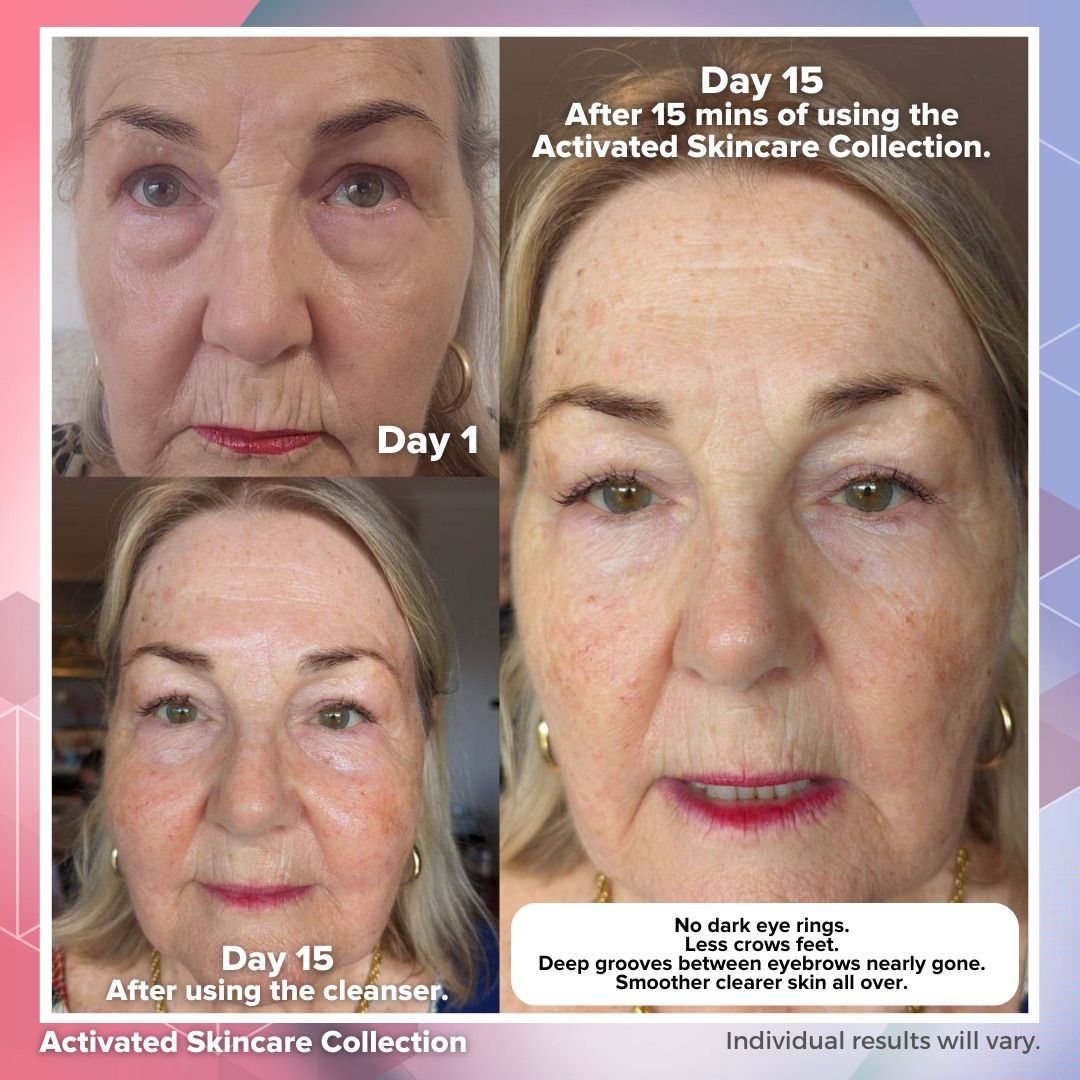
After 11 months on NRF2 and 9 months on NRF1, I feel like a completely different person. My energy, focus, sleep and confidence have all improved, and I feel stronger in my daily routine. These products have become such an important part of my wellness journey.
Alene M
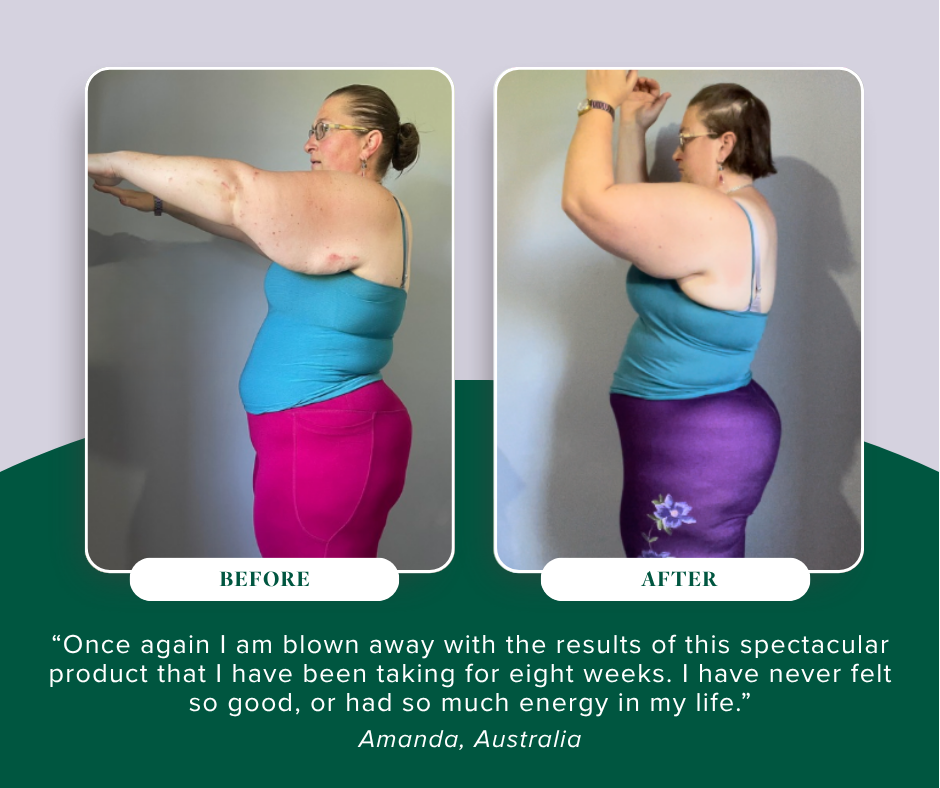
Sleep has been one of my biggest challenges for most of my adult life. My mind would race at night, and I would feel like I was working a full day in my head while trying to rest. After six weeks on the Tri-Synergizer, I’m finally sleeping more deeply, waking more rested, and even dreaming again like I did when I was younger.
JEFF
Start with the product that started it all.
If you are new to LifeVantage, the best place to begin is with the product that introduced many people to activation science:
Protandim NRF2 Synergizer.
The little yellow pill. The product at the centre of the LifeVantage research story. The place where the AgeWell Movement begins.
Speak to the person who shared this site with you.
Guy Hawkins
President of Sales

Guy Hawkins
President of Sales

Guy Hawkins
President of Sales

Guy Hawkins
President of Sales

Guy Hawkins
President of Sales

Guy Hawkins
President of Sales

Guy Hawkins
President of Sales

Guy Hawkins
President of Sales

Guy Hawkins
President of Sales
Guy Hawkins
President of Sales
Guy Hawkins
President of Sales
Guy Hawkins
President of Sales
Guy Hawkins
President of Sales
Guy Hawkins
President of Sales